The dust from the road settled into my throat the moment I stepped off the bus. It tasted like childhood. Like home. San Miguel del Llano, Oaxaca had not changed its scent in all the years I had been gone. Dry earth. Sun-warmed stone. Time standing still.
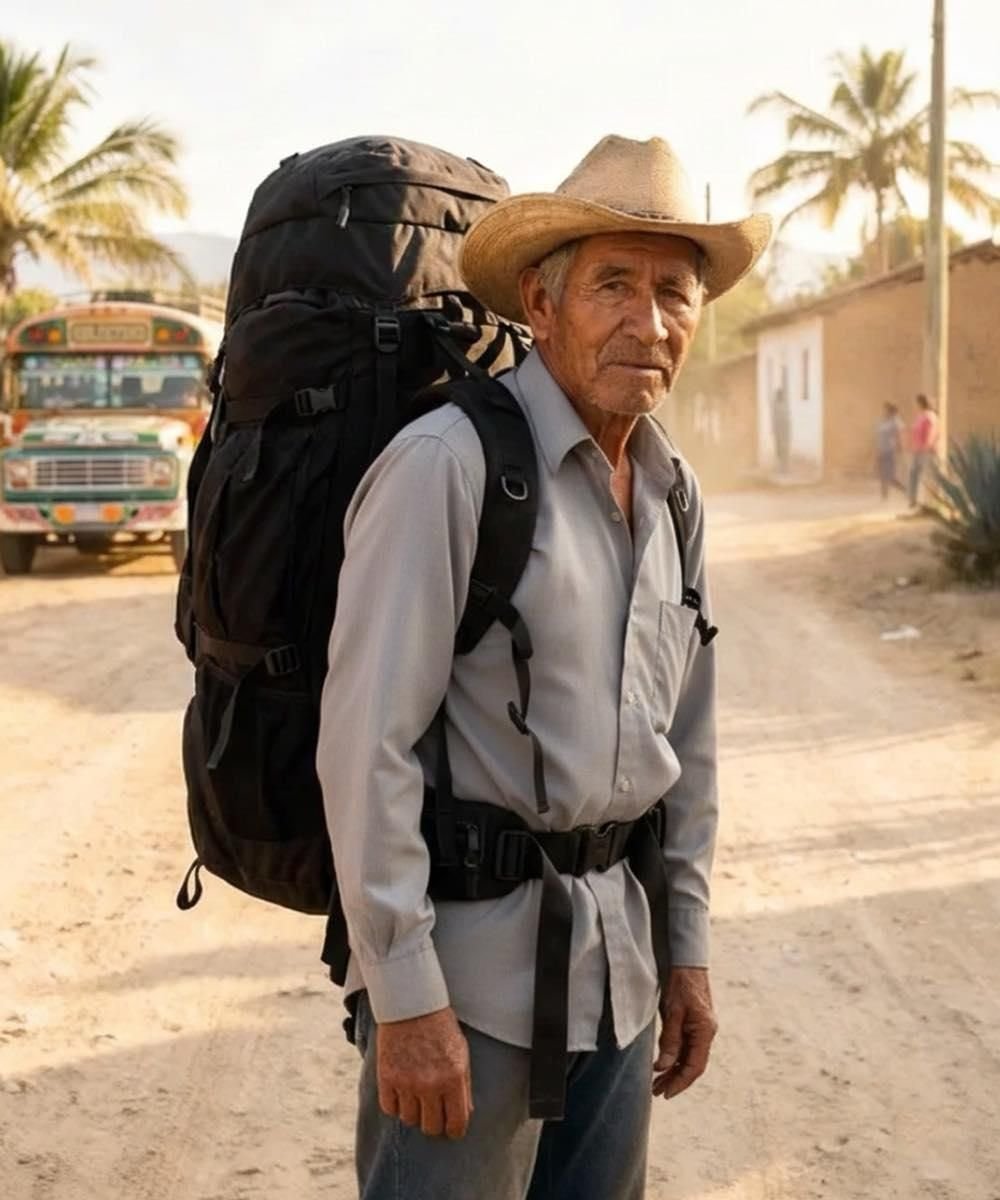
I stood there with an old backpack hanging from one shoulder, the kind a teenager might use for school. My jeans were faded and worn thin at the knees. My boots, marked by years of hard work, scraped loudly against the pavement as I walked. To anyone watching, I looked like a man who had failed at life and come crawling back.
Miguel Ángel Cruz. The boy who left the village twenty years ago chasing opportunity, only to return looking defeated.
I saw it in the faces around me. Pity mixed with quiet judgment. The kind reserved for people who are assumed to have made poor choices and paid the price.
I did not blame them. I had dressed the part carefully.
What no one could see, not even my family, was the truth hidden close to my chest. Inside the inner pocket of my jacket was a sealed envelope. Inside that envelope was a cashier’s check from a Texas bank. It represented the sale of the landscaping business I had built from the ground up.
The amount was more money than anyone in that bus terminal could imagine.
I came back wealthy.
But I needed to know something far more valuable than money.
I needed to know who loved me for who I was, and who only loved what I provided.
I began walking toward my parents’ house, taking my time. I wanted to feel every uneven stone beneath my feet. I had left at twenty-two, young and desperate to escape a future that felt narrow and unforgiving. The journey north had been brutal. Long days of labor under punishing sun. Nights filled with worry. Years of sacrifice no one back home ever saw.
I started with nothing. I worked until my hands hardened and my back ached. I saved every dollar. Slowly, patiently, I built a business. And for twenty years, I sent money home. Month after month. No matter how tired I was. No matter how little I slept.
That money built the house my parents lived in. It paid for medical care when my mother needed surgery. It bought my brother a car. It helped cover school fees and repairs and celebrations.
In my hometown, I was success itself.
Six months before I returned, I stopped sending money.
I told my family things were difficult. I said work had slowed. I said times were uncertain. It was not true, but I needed to see what would happen when the money stopped flowing.
The phone calls faded quickly.
No more warm greetings. No questions about my health. Just brief conversations and subtle hints about bills and expenses. When I could not help, the silence grew louder.
That silence taught me more than any argument ever could.
When I reached the house, it stood proudly among modest homes. Fresh paint. Iron gates. A place I had paid for but no longer recognized as mine.
I rang the bell and waited.
Laughter floated from inside. Music. A gathering.
My brother opened the gate just enough to look out. His smile disappeared when he saw me. His eyes traveled over my clothes, my boots, my bag.
He asked what I was doing there.
I told him I had come back with nothing. That I needed help.
I waited for him to open the gate fully. For a hug. For the words, “This is your home.”
They never came.
Instead, he hesitated. He said it was complicated. That people were visiting. That things were tight.
When my mother appeared, leaning on her cane, hope flared in my chest. Surely she would welcome me.
She looked at me, then at my brother. Her eyes filled with worry, not relief.
I was sent to the back patio. Not invited inside. Not offered a seat at the table.
I watched them eat while I was given a simple meal and water. I ate quietly, holding my dignity together as best I could.
That night, I slept in a shed.
The next morning, there was no breakfast waiting. Only reminders that I could not stay without contributing.
I left the house that day and walked through town. People whispered. Some looked at me with sympathy. Others with judgment.
Then I ran into an old friend of my father’s. He offered me a soda and a seat without hesitation. He spoke kindly. He reminded me that not everyone forgets who helped them.
From there, I went to my aunt’s small home on the edge of town. She had little. A dirt floor. A few chickens. But when she saw me, she hugged me like I had never been gone.
She fed me without asking questions. She gave me a place to sleep without conditions.
I cried over that simple meal.
The one who had the least gave me the most.
Days passed. My brother told me I needed to leave soon. That I could not stay.
I endured the humiliation quietly. I listened. I observed.
And I prepared.
On my mother’s birthday, the house filled with guests. Music played. Food overflowed. I was told to stay hidden so no one would see me.
Instead, I cleaned myself up. I dressed with care. I took the envelope from my jacket.
When I stepped into the yard, conversations stopped. My brother tried to pull me away. I did not let him.
I wished my mother a happy birthday. I said I had come with nothing.
Then I revealed the truth.
From that moment on, everything shifted.
But the lesson had already been learned.
Today, I tell my story not to shame anyone, but to share what I discovered. Money reveals character. Absence reveals truth. And love that disappears when you need it most was never love at all.
I returned home pretending I had nothing.
And in doing so, I learned exactly what I had.