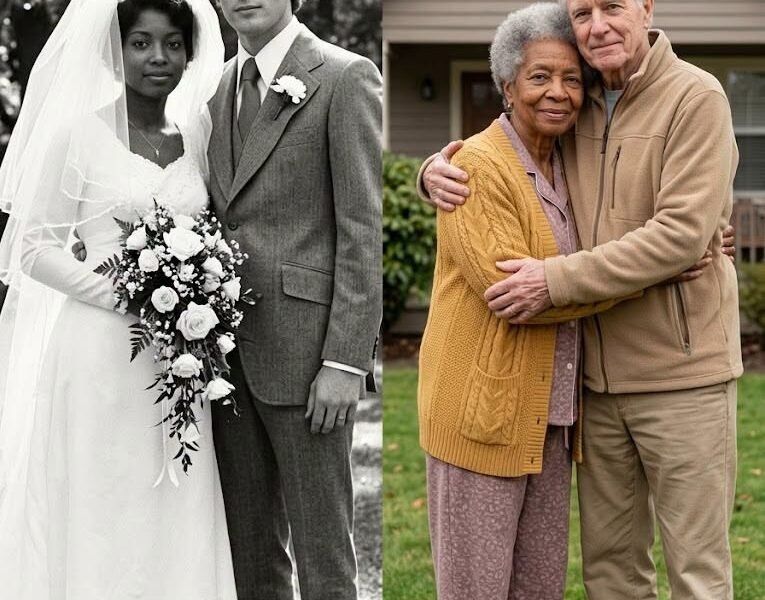
1. Emotional Intelligence Shapes Relationship Success
One of the most important relationship psychology insights that many people realize too late is the impact of emotional intelligence (EI) on relationship health. Emotional intelligence refers to the ability to recognize, understand, and manage one’s own emotions while also perceiving and empathizing with the emotions of others. In relationships, EI plays a pivotal role in communication, conflict resolution, and emotional connection.
Individuals with high emotional intelligence are better equipped to navigate disagreements without escalating tension. They can listen actively, validate their partner’s feelings, and express their own emotions clearly and constructively. This reduces misunderstandings and fosters trust. Conversely, people who lack emotional intelligence may react impulsively or defensively, leading to recurring conflicts and emotional strain.
EI also influences the way people provide and receive support. Partners who understand emotional cues are more likely to offer reassurance at the right time, celebrate successes genuinely, and comfort their partner during challenges. Over time, this emotional attunement strengthens the relationship bond and creates a foundation of safety and trust.

Interestingly, emotional intelligence is not fixed. Many people realize only after multiple relationship challenges that self-awareness, empathy, and emotional regulation are skills that can be developed and improved with conscious effort. Recognizing the role of EI early can prevent repeated misunderstandings and foster long-term relational satisfaction.
Couples who actively cultivate emotional intelligence often find themselves better prepared to weather conflicts, navigate differences in communication styles, and maintain connection during life’s inevitable stressors. Understanding that emotions are signals rather than obstacles allows partners to respond with compassion and clarity rather than reactionary patterns.
2. Effective Communication Is Learned, Not Innate
Another psychological insight often realized too late is that effective communication is rarely intuitive; it must be learned and practiced. Many people assume that expressing thoughts and feelings clearly comes naturally in relationships, but in reality, communication skills develop through experience, reflection, and intentional practice.
Effective communication goes beyond simply talking to convey information. It involves active listening, clarifying intentions, and ensuring that both partners feel heard and understood. Misinterpretation of tone, body language, or word choice can lead to unnecessary arguments if not addressed proactively.
For example, disagreements often escalate when one partner feels dismissed or unheard. Instead of assuming the other will understand, it is crucial to express thoughts and feelings explicitly while inviting dialogue. Statements framed with empathy, curiosity, and non-judgment can prevent defensive responses and promote constructive discussion.
Many people realize the importance of communication only after repeated relational conflicts or misunderstandings. Learning to communicate effectively includes understanding one’s own communication style, recognizing triggers that lead to miscommunication, and adapting approaches to accommodate a partner’s style.

Additionally, communication is cyclical. It is not a one-time skill but an ongoing practice that evolves as relationships deepen, circumstances change, or stressors arise. Couples who invest in communication skills tend to resolve conflicts more quickly, strengthen emotional intimacy, and maintain mutual understanding over time.
Ultimately, recognizing that communication is a learned skill encourages patience, reflection, and intentionality in all interactions, helping relationships thrive rather than merely survive.
3. Boundaries Are Essential for Healthy Relationships
A critical psychological insight that many people learn too late is the importance of establishing and maintaining boundaries. Boundaries define acceptable behavior, emotional limits, and personal space within a relationship. Without them, individuals risk emotional exhaustion, resentment, or blurred identity.
Boundaries are not barriers to intimacy but rather tools that create trust and mutual respect. They clarify needs and expectations, allowing both partners to understand and honor each other’s limits. People who fail to establish boundaries often experience frustration or disappointment when their emotional or personal needs are overlooked.
Examples of boundaries include clearly communicating time needed for personal space, stating preferences in decision-making, or expressing limits on emotional labor. Boundaries also protect against enmeshment, where individuals lose sight of their identity in the relationship, leading to imbalance and dissatisfaction.
Many people discover the necessity of boundaries only after repeated experiences of feeling overwhelmed, overextended, or undervalued. In hindsight, they realize that consistent and respectful boundaries could have prevented conflicts and fostered mutual appreciation.
The psychology of boundaries highlights that they benefit both partners. When individuals honor their own needs while respecting their partner’s needs, the relationship becomes a supportive environment rather than a source of stress. Over time, healthy boundaries cultivate self-respect, emotional resilience, and relational longevity.
Learning to establish boundaries requires self-awareness and courage. It involves recognizing personal needs, communicating them clearly, and negotiating compromises that honor both individuals’ limits. Couples who master this dynamic often experience deeper trust and more balanced connections.
4. Conflict Is Inevitable, But Resolution Determines Relationship Quality
Many people underestimate the psychological reality that conflict is inevitable in any relationship. Differences in values, perspectives, priorities, and emotional responses naturally lead to disagreements. What determines a relationship’s quality is not the absence of conflict but the ability to resolve it constructively.
Unresolved conflict often festers, leading to resentment, distance, or recurring arguments. Partners may avoid addressing issues, leading to communication breakdowns and emotional withdrawal. Over time, these unresolved issues can erode trust and intimacy.
Constructive conflict resolution involves active listening, empathy, and problem-solving rather than blame or criticism. Recognizing that differences are not inherently threats but opportunities for understanding is a crucial insight. Couples who approach conflict with curiosity and cooperation strengthen their connection, even amid disagreements.
Furthermore, learning to respond rather than react is a key psychological skill. Emotional regulation allows individuals to communicate their concerns calmly, preventing escalation. Strategies such as taking pauses, clarifying statements, and seeking mutual solutions are practical tools for effective resolution.
Many people only grasp this insight after experiencing repeated relational patterns where conflict remained unresolved. Early recognition that conflict is an inevitable part of relationship dynamics allows individuals to engage proactively, fostering a culture of respect, understanding, and shared problem-solving.

5. Emotional Dependence Can Be Counterproductive
Another important insight that often comes too late is the recognition that excessive emotional dependence can strain relationships. While connection and mutual support are vital, relying entirely on a partner for validation, self-worth, or emotional stability can create imbalance and pressure.
Healthy relationships involve interdependence—both partners support each other while maintaining individual identity and autonomy. Emotional over-reliance can lead to unrealistic expectations, resentment, or feelings of suffocation for both partners.
Many people realize the importance of self-regulation only after experiencing patterns of codependency or feeling drained by a partner’s constant need for reassurance. Learning to cultivate self-confidence, manage emotions independently, and seek personal fulfillment outside the relationship is essential for long-term relational health.
Psychologically, fostering personal resilience strengthens the bond because both partners contribute to the relationship from a place of stability rather than neediness. Emotional interdependence creates synergy, allowing connection without compromising individuality.
Developing self-awareness, engaging in hobbies or interests, and maintaining social support networks outside the relationship are practical steps to balance emotional reliance. Couples who master this dynamic often experience increased trust, mutual respect, and sustained intimacy over time.
6. Trust Is Built Slowly but Can Be Broken Quickly
A critical psychological insight that often becomes clear too late is the fragile nature of trust. Trust is the foundation of any healthy relationship, and while it develops gradually through consistent behavior and mutual reliability, it can be damaged in an instant by a single action or misunderstanding.
Many people underestimate the effort required to maintain trust. Acts of honesty, reliability, and consistency accumulate over time, signaling safety and predictability to a partner. Conversely, one broken promise, breach of confidence, or perceived deception can create doubt and insecurity that is difficult to repair.
The psychology behind this phenomenon lies in the human tendency to weigh negative experiences more heavily than positive ones. Known as the negativity bias, it means that breaches of trust tend to have a disproportionate emotional impact compared to consistent positive behavior. As a result, rebuilding trust requires conscious effort, transparency, and patience from both partners.
Recognizing the slow, cumulative nature of trust building helps individuals appreciate the importance of integrity and reliability in daily interactions. It also underscores the need to address breaches immediately rather than allowing resentment to fester. Delayed acknowledgment or avoidance often exacerbates trust erosion.
In practice, couples who actively nurture trust demonstrate accountability, communicate openly, and follow through on commitments. They understand that while trust may take years to establish, its maintenance is an ongoing responsibility that requires mindfulness, empathy, and honesty.
7. Emotional Baggage Influences Current Relationships
Another psychological insight that many people learn only after repeated relational challenges is the impact of emotional baggage from past experiences. Previous heartbreaks, betrayals, or unresolved family dynamics can influence present interactions in subtle yet powerful ways.
Unprocessed emotions often manifest as patterns of mistrust, fear of vulnerability, or heightened sensitivity to perceived rejection. For example, someone who experienced a past betrayal may misinterpret neutral behavior as suspicious, reacting defensively or withdrawing prematurely.
This phenomenon is closely linked to attachment theory. Individuals who have developed insecure attachment styles due to early experiences may unconsciously project past fears onto current relationships. Without awareness, these patterns can create cycles of conflict, miscommunication, or emotional distance.
The key insight is that awareness and intentional reflection are necessary to prevent past experiences from controlling present relationships. Processing emotional baggage, whether through self-reflection, journaling, or therapy, allows individuals to engage with partners more authentically and openly.
Couples who acknowledge the influence of past experiences and work collaboratively to create understanding can mitigate the negative impact of emotional baggage. This proactive approach fosters trust, reduces misunderstandings, and encourages emotional growth for both partners.
8. Appreciation and Gratitude Strengthen Bonds
Many people realize too late that consistent expressions of appreciation and gratitude significantly enhance relationship satisfaction. While love and connection are vital, actively acknowledging a partner’s efforts, qualities, and contributions strengthens emotional bonds and fosters positive relational dynamics.
Psychologically, gratitude activates reward circuits in the brain, reinforcing positive behavior and encouraging reciprocity. When partners feel recognized and valued, they are more likely to continue investing in the relationship emotionally and practically.
Neglecting this insight often leads to gradual erosion of intimacy. Small acts of kindness, thoughtfulness, or support may go unnoticed, creating a sense of being taken for granted. Over time, these unacknowledged efforts accumulate, leading to frustration or emotional withdrawal.
Implementing gratitude involves simple but meaningful practices. Expressing appreciation verbally, acknowledging small gestures, or celebrating achievements reinforces connection. Even subtle recognition, such as noting shared successes or expressing thanks for emotional support, enhances relational satisfaction.
Couples who cultivate a culture of appreciation and gratitude tend to experience stronger emotional resilience. This proactive focus on positive reinforcement nurtures trust, intimacy, and a shared sense of partnership, ultimately supporting long-term relational stability.
9. Conflict Styles Affect Long-Term Relationship Outcomes
Understanding one’s conflict style is a psychological insight that is often realized after experiencing repeated relationship challenges. People naturally approach disagreements differently, whether through avoidance, aggression, compromise, or collaboration. These styles significantly influence how conflicts are resolved and how relationships evolve over time.
Conflict avoidance can prevent immediate confrontation but may lead to unresolved issues that accumulate and create resentment. Conversely, aggressive or confrontational approaches can escalate disputes, reducing emotional safety and intimacy. Collaborative approaches, involving active listening and mutual problem-solving, are generally associated with healthier long-term outcomes.
Many people fail to recognize the importance of understanding both their own and their partner’s conflict style until patterns of unresolved disagreement emerge. Awareness allows couples to adapt strategies, prevent escalation, and respond to conflict constructively.
The psychology behind conflict style emphasizes that communication is not only about what is said but also how it is approached. Individuals who can regulate emotional responses, manage stress, and focus on solutions rather than blame create conditions for growth, trust, and emotional safety.
In practice, reflecting on conflict patterns, seeking compromise, and developing skills like emotional regulation and active listening are essential. Couples who integrate these insights often experience fewer recurring conflicts, deeper intimacy, and a stronger foundation for long-term relationship satisfaction.
10. Individual Growth Supports Relationship Health
Another crucial psychological insight is that individual growth and self-development directly impact relationship quality. Many people focus exclusively on the couple dynamic, neglecting personal development, only to realize later that stagnation can create relational strain.
Psychologically, personal growth enhances emotional intelligence, self-awareness, and resilience—all of which are essential for healthy partnerships. Individuals who pursue learning, hobbies, career development, or personal reflection bring vitality, creativity, and confidence into the relationship.
When personal growth is neglected, individuals may rely too heavily on the relationship for fulfillment, emotional regulation, or identity validation. This can create imbalance, dependency, or dissatisfaction over time. Couples often discover that neglecting self-development undermines mutual satisfaction and relational stability.
Supporting individual growth involves encouraging autonomy, pursuing personal interests, and engaging in reflective practices. Partners who grow independently often experience deeper connection when they come together, as the relationship becomes a space for shared joy rather than compensatory support.
Ultimately, relationships thrive when both individuals maintain their own identity, pursue personal goals, and cultivate resilience. Recognizing this insight early helps prevent co-dependency, enhances relational satisfaction, and strengthens long-term partnership quality.
11. Emotional Regulation Prevents Escalation
One of the most crucial psychological insights that people often understand too late is the importance of emotional regulation within relationships. Emotions, particularly intense ones like anger, frustration, or disappointment, can easily escalate conflicts if not managed effectively. Emotional regulation involves recognizing one’s feelings, understanding their sources, and responding thoughtfully rather than reactively.
People who struggle to regulate emotions may overreact to minor disagreements, lash out in frustration, or withdraw entirely during stressful interactions. These reactions often unintentionally harm the relationship, eroding trust and intimacy over time. In contrast, individuals who practice emotional regulation can navigate difficult conversations calmly, express their needs clearly, and respond to their partner’s concerns with empathy.
Developing emotional regulation is a skill that requires awareness, patience, and practice. Techniques such as mindfulness, self-reflection, and stress-reduction strategies can help individuals pause before reacting impulsively. Over time, emotional regulation fosters a stable environment where both partners feel heard, respected, and emotionally safe.
The failure to recognize the importance of emotional regulation early often leads to cycles of conflict and reconciliation, where repeated patterns create fatigue and resentment. Couples who integrate emotional regulation as a core relational skill experience fewer misunderstandings, greater harmony, and more sustainable intimacy.
12. Compatibility Extends Beyond Interests
Many people mistakenly assume that shared hobbies, interests, or social activities define compatibility. While common interests can enhance enjoyment and connection, the deeper psychology of compatibility lies in values, communication styles, emotional needs, and conflict resolution approaches.
Couples may initially feel strong chemistry due to surface-level similarities but discover over time that differences in values, priorities, or emotional expression can create friction. Without awareness of these underlying dimensions, individuals often experience confusion, disappointment, or recurring disagreements.
Psychologically, compatibility encompasses long-term alignment in life goals, emotional resilience, problem-solving approaches, and the ability to negotiate differences constructively. Recognizing this depth of compatibility helps individuals select partners with whom they can navigate both everyday challenges and major life transitions effectively.
Understanding compatibility in these terms allows couples to invest in growth and adaptation while maintaining mutual respect. Those who focus solely on interests may overlook critical areas of potential conflict, learning only later that sustainable relationships depend on alignment in deeper psychological and emotional domains.
13. Small Acts of Kindness Accumulate Significantly
A psychological insight that often becomes apparent only after extended relationship experience is the power of small acts of kindness. While grand gestures are memorable, consistent, thoughtful actions have a more substantial impact on long-term satisfaction and connection.
These acts may include offering verbal encouragement, remembering significant events, performing considerate actions, or showing empathy during stressful moments. Over time, these small expressions of care accumulate, reinforcing trust, appreciation, and emotional safety.
Couples who underestimate the value of consistent kindness often experience relational drift, where the absence of small affirmations leads to feelings of neglect or underappreciation. In contrast, partners who regularly demonstrate care, thoughtfulness, and acknowledgment foster enduring relational stability.
Psychologically, small acts of kindness activate positive emotional responses, strengthen bonding hormones like oxytocin, and create a feedback loop of gratitude and reciprocity. Understanding this principle encourages individuals to prioritize consistent, intentional gestures that cultivate emotional intimacy over time.
14. Self-Awareness Influences Relationship Dynamics
Self-awareness is a psychological skill that profoundly shapes relational health, yet many people discover its importance only after encountering repeated challenges. Individuals who understand their own patterns, triggers, and emotional tendencies can engage more thoughtfully and reduce unintentional harm to the relationship.
Without self-awareness, people may project past experiences, unresolved insecurities, or emotional stress onto their partner. This often leads to misinterpretation of intentions, overreactions, or repeated conflicts. Conversely, those with strong self-awareness can identify their own role in relational dynamics, take responsibility for their actions, and initiate constructive dialogue when issues arise.
Developing self-awareness involves reflection, mindfulness, and honest assessment of behaviors. Journaling, therapy, or discussions with trusted confidants can help individuals recognize patterns that interfere with healthy connection.
Couples in which both partners cultivate self-awareness often experience more balanced interactions, reduced defensiveness, and a heightened capacity for empathy. This insight underscores that understanding oneself is not selfish but foundational to sustaining trust, intimacy, and relational resilience.
15. Timing and Patience Are Key in Growth
A psychological insight many realize too late is the critical role of timing and patience in relationships. Personal development, conflict resolution, and emotional healing occur gradually, and expecting immediate changes or perfection from oneself or a partner often leads to frustration and disappointment.
Relationships, like individuals, require time to evolve. Significant challenges, such as rebuilding trust after a conflict or learning to communicate more effectively, cannot be rushed without risking burnout or resentment. Patience enables couples to navigate setbacks with understanding rather than judgment.
Psychologically, impatience often arises from attachment patterns, past relational experiences, or unmet emotional needs. Recognizing the value of timing encourages individuals to honor their own and their partner’s pace in growth, allowing constructive change to occur organically.
Couples who embrace patience develop resilience, deeper connection, and mutual respect. They learn that relational growth is a journey, not a destination, and that sustainable change occurs through consistent effort, reflection, and support over time.
16. The Impact of External Stressors
Many people realize too late that external stressors, such as work pressures, financial challenges, or family dynamics, significantly influence relational health. Stress experienced outside the relationship can spill over into interactions, shaping communication patterns, emotional responses, and conflict levels.
Understanding this psychology allows partners to differentiate between behavior driven by relational issues versus external pressures. Misattributing stress responses to intentional actions can lead to unnecessary conflict and resentment.
Couples who acknowledge and manage external stress collaboratively often develop stronger relational resilience. Techniques include shared problem-solving, empathy, and deliberate efforts to create stress-free spaces for communication and connection.
Recognizing the influence of external stressors also encourages self-regulation and emotional awareness, enabling individuals to prevent external pressures from damaging the relationship. This insight is crucial for maintaining perspective and sustaining long-term relational satisfaction.
17. Appreciation of Emotional Labor
Another key insight often realized too late is the significance of emotional labor—the effort invested in understanding, supporting, and nurturing a partner’s emotional well-being. Emotional labor can include listening attentively, managing conflicts gracefully, or anticipating a partner’s emotional needs.
Many people fail to recognize this labor until it is neglected or imbalanced. When one partner carries a disproportionate emotional burden without acknowledgment, feelings of resentment, fatigue, or imbalance can develop.
Psychologically, appreciating and distributing emotional labor fosters equity, reduces stress, and strengthens relational bonds. Couples who consciously recognize each other’s contributions experience enhanced mutual respect and emotional intimacy.
Intentional acknowledgment, verbal appreciation, and active collaboration in emotional support can prevent relational drift and reinforce shared commitment to the partnership. Understanding emotional labor as a vital component of relationship health encourages proactive investment in emotional well-being for both partners.
18. Flexibility and Adaptation Are Crucial
Relationships are dynamic, and people often realize too late that flexibility and adaptability are critical for longevity. Life circumstances, personal growth, and external challenges can alter relational needs and expectations. Couples who remain rigid in their approach often experience frustration, conflict, or stagnation.
Psychologically, adaptability requires open-mindedness, empathy, and willingness to compromise without sacrificing core values. Flexible partners can navigate changes in roles, priorities, or life circumstances while maintaining connection and trust.
Rigid expectations often lead to repeated disappointment, as partners are unable to accommodate each other’s evolving needs. In contrast, adaptive couples view change as a natural part of relational growth and collaboratively adjust to maintain harmony.
Developing adaptability involves self-awareness, empathy, and effective communication. Couples who practice this insight are better equipped to weather transitions, maintain intimacy, and foster resilience over the long term.
19. Forgiveness Sustains Relationships
The ability to forgive is a psychological insight many people appreciate only after experiencing repeated relational strain. Holding onto grudges, resentments, or past grievances undermines trust, intimacy, and emotional safety. Forgiveness does not imply condoning harmful behavior but rather releasing the emotional weight that prevents relational growth.
Forgiveness allows partners to move forward, learn from mistakes, and repair relational ruptures constructively. Psychologically, it reduces stress, enhances emotional well-being, and fosters resilience. Couples who practice forgiveness regularly report stronger emotional connection and relational satisfaction.
Developing a forgiving mindset requires perspective-taking, empathy, and understanding that mistakes are inevitable in human relationships. By reframing conflicts as opportunities for growth rather than personal attacks, couples create a more supportive and enduring relational environment.
Forgiveness, combined with accountability and transparency, strengthens relational trust and allows partners to navigate challenges without letting past grievances dictate their present connection.
20. Long-Term Happiness Relies on Mutual Growth
Finally, a psychological insight many realize too late is that long-term relationship happiness depends on mutual growth. Relationships thrive when both partners pursue personal development, emotional awareness, and shared goals while supporting each other’s evolution.
Couples who stagnate, resist growth, or fail to adapt often experience relational dissatisfaction, even if initial compatibility or attraction was strong. Mutual growth fosters collaboration, resilience, and ongoing engagement in the partnership.
Psychologically, mutual growth strengthens emotional intimacy, reinforces trust, and encourages proactive problem-solving. It creates a dynamic where each partner contributes positively to the relationship while maintaining individual identity and fulfillment.
Understanding that happiness is co-created through shared effort, adaptability, and continuous investment ensures that relationships evolve rather than deteriorate over time. Couples who embrace this principle cultivate enduring satisfaction, partnership, and emotional security.
Strong Conclusion
Relationship psychology is complex, and many insights become clear only after repeated experiences, reflection, and growth. Understanding emotional intelligence, communication, boundaries, conflict resolution, and individual growth can transform how individuals engage in partnerships.
Couples who apply these insights proactively foster trust, intimacy, and resilience. They recognize that relationships are dynamic, require ongoing effort, and are influenced by both internal and external factors. Emotional awareness, patience, adaptability, and mutual support create a foundation for long-term satisfaction.
By cultivating self-awareness, empathy, gratitude, and forgiveness, individuals can navigate challenges constructively and build connections that are both supportive and fulfilling. Recognizing that relational happiness is co-created encourages deliberate, mindful engagement rather than reliance on circumstance or chance.
Ultimately, the earlier these psychological insights are understood and applied, the stronger, more resilient, and more fulfilling relationships become. Awareness, reflection, and intentionality transform partnerships from reactive interactions into enduring, growth-oriented, and mutually enriching connections.