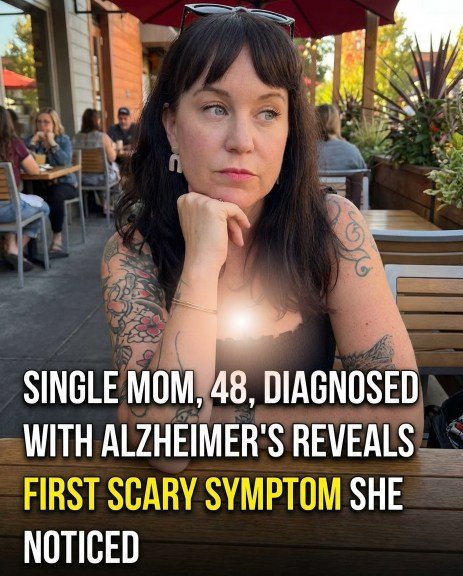
At just 48 years old, Rebecca Luna never imagined she would face a diagnosis most people associate with much older adults. As a single mother balancing her job, household tasks, and the daily needs of her children, her life was full and constantly moving. Everything changed when small memory lapses began to appear—moments she brushed off as simple tiredness or stress.
“The first moment Rebecca realized something was wrong—an unexpected memory lapse at work.”
At first, it was little things: forgetting where she placed her keys, losing track of conversations, or momentarily struggling to remember appointments. But one morning at work, she sat down at her computer and could not remember how to begin her usual tasks. It was a routine she had done for years, yet suddenly her mind felt blank. That moment became a turning point, the beginning of a journey she had never expected.
Early-onset Alzheimer’s is a rare form of the disease that can affect people in their 40s and 50s. For those living with it, careers, independence, and family roles can be disrupted far earlier than anticipated. Like many parents, Rebecca originally believed her symptoms were signs of stress, lack of sleep, or simply having too much on her plate. But as weeks passed, the memory problems grew more frequent and harder to ignore.

“Everyday tasks like cooking became more challenging as memory lapses grew more frequent.”
Simple everyday tasks began requiring more focus. Rebecca noticed she was double-checking everything—from closing the front door to remembering if she had paid bills. Eventually, she decided to seek a medical evaluation. The diagnosis confirmed that she was living with a progressive condition that would slowly affect her ability to manage daily life.
As the disease advanced, she became more aware of how memory changes could influence her safety and routine activities. One day while cooking, she stepped away from the stove and later realized she had left a pan unattended. Incidents like this made her understand how important support, planning, and awareness would be moving forward.
Despite the emotional weight of the diagnosis, Rebecca continues to focus on caring for herself and her children. She is learning to adapt—creating reminders, pacing her day, and accepting help when needed. Her goal is not just to cope, but to stay connected with the people she loves.

“With support and love, Rebecca continues her journey with strength, resilience, and hope.”
By sharing her story, Rebecca hopes to raise awareness about early-onset Alzheimer’s and remind others that compassion is vital. She encourages patience, dignity, and emotional support for anyone facing similar challenges. Through every stage of her journey, one message remains strong: connection, understanding, and love never lose their importance.