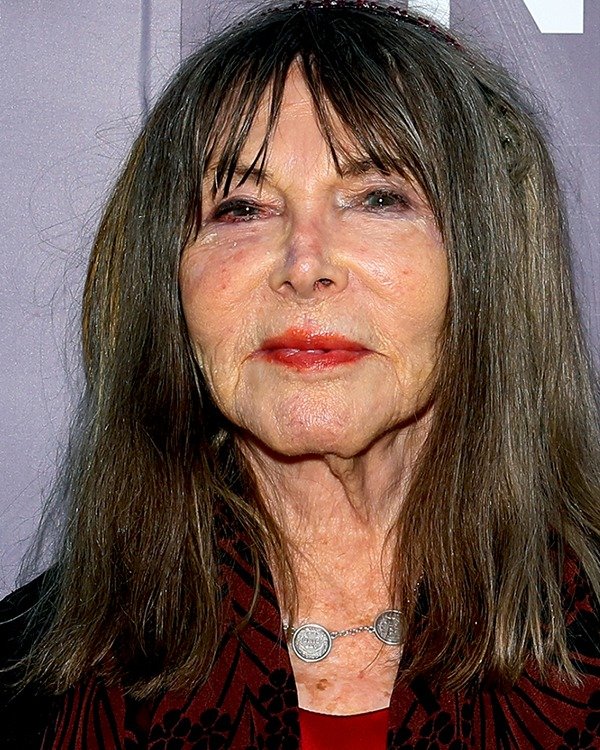
Hollywood in the nineteen fifties was a glamorous but demanding industry where powerful studios controlled the lives of their actors. Among the many rising stars of this era, Lee Grant stood out for her classic beauty and exceptional talent.
Producers quickly recognized her potential and began casting her in films that highlighted her charm on the screen. She made her major film debut in the 1951 movie Detective Story alongside Kirk Douglas.
This incredible performance earned her an Academy Award nomination for Best Supporting Actress and a major acting award at the Cannes Film Festival. Audiences loved her natural presence, and film critics believed she was on a direct path to massive stardom.

Despite her rapid climb to fame, her acting career came to a sudden and confusing halt when top studios banned her from working. Rumors spread quickly about why such a promising young actress was suddenly pushed out of the entertainment business. The truth was tied to the harsh political climate of that time.
In 1951, she gave an emotional eulogy at a memorial service for fellow actor J Edward Bromberg. During her speech, she suggested that his death was caused by the intense stress of dealing with government investigations into the entertainment industry. Because she spoke out, she was placed on a strict industry blacklist that prevented her from securing any major acting roles.
During this Golden Age of Hollywood, movie studios held immense power and could easily destroy a career overnight if a star broke unwritten rules. For the next twelve years, she found herself completely shut out of the major film projects she had once been offered so freely.
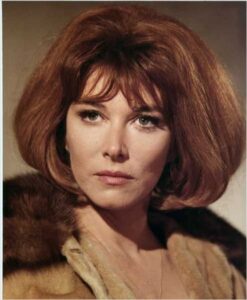
She struggled to find steady work throughout the remainder of the decade and into the early nineteen sixties as her name slowly faded from public view. However, she refused to give up on her passion for acting and eventually made a successful return to television and film. She went on to appear in popular projects like Columbo, Shampoo, and Mulholland Drive, ultimately winning an Academy Award for Best Supporting Actress.
Although her early career was unfairly interrupted by industry politics, her lasting talent and memorable film roles remain a testament to her strength. True fans of classic cinema still remember her as one of the most striking and talented performers of her generation.
Her journey shows how unpredictable the entertainment business can be and how easily talented people can be pushed aside by powerful executives. Today, actors enjoy much more freedom to speak their minds without the fear of losing their livelihoods. Her long fight to rebuild her life highlights a difficult period in entertainment history where talent alone was not always enough to survive.