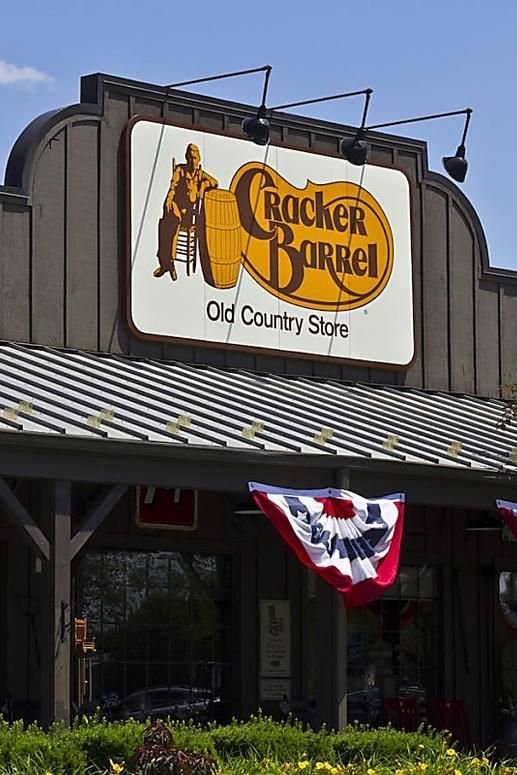
What began as an ordinary visit quickly turned into a broader conversation about perception, sensitivity, and public spaces.
At one restaurant location, a ceiling display item caught a guest’s attention—not because it stood out as decorative, but because its shape appeared, at first glance, to resemble an inappropriate symbol. The object was part of a collection of vintage tools, something many customers barely notice while enjoying their meal. Still, the concern was raised, and it wasn’t dismissed.
Once management became aware of the issue, the response was immediate. The restaurant acknowledged the feedback, expressed regret for any discomfort caused, and clarified that the item in question was an antique soldering iron cord, included with no symbolic intent whatsoever. Even so, the explanation didn’t end the conversation—it opened it.
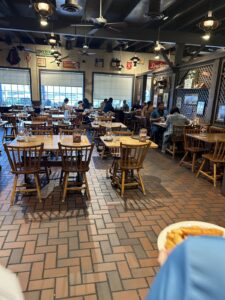
Rather than debate interpretations, the display was removed to avoid further misunderstanding. Staff engaged in discussions with members of the community, listening to how historical or antique objects can carry unintended meanings depending on individual experiences, backgrounds, or cultural context.
The incident sparked a wider reaction among customers, with some suggesting that decorative items across locations be reviewed more carefully. In response, the company reaffirmed its commitment to maintaining an environment where everyone feels comfortable and respected. Customer feedback, they emphasized, plays an essential role in shaping those decisions.
This moment highlights a larger reality: objects meant to represent history or nostalgia don’t always translate the same way in modern public settings. Thoughtful curation—and the willingness to act quickly when concerns arise—can make all the difference.

The situation serves as a reminder of how businesses can respond with awareness, openness, and respect to ensure every guest feels welcome and at ease.