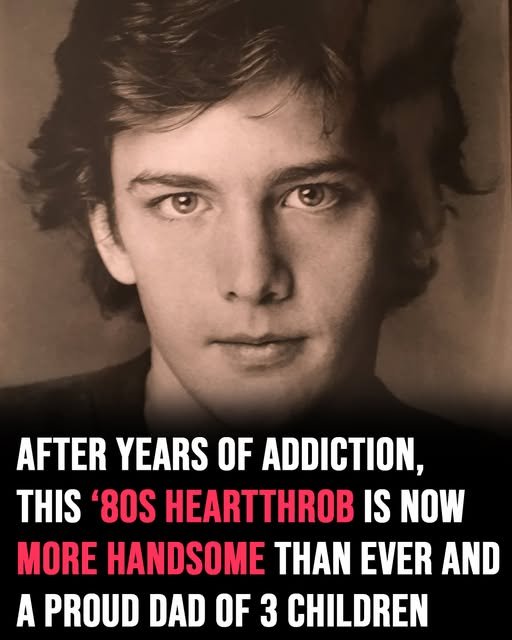
In the 1980s, he was the poster boy of an entire generation — the gentle-eyed dreamer whose face lived on bedroom walls, whose quiet charm made every teenage crush feel personal.
But beneath the glossy magazine covers and the soft-spoken roles that made him a household name, Andrew McCarthy was carrying a loneliness that no camera could capture. Growing up in a modest New Jersey family, he never imagined the blinding intensity of fame.
He entered Hollywood unprepared, propelled from acting school dropout to starring opposite Jacqueline Bisset in a matter of weeks. Yet the boy who looked so effortlessly confident onscreen felt like an outsider in his own life, overwhelmed by attention and unsure where he truly belonged.
As his star rose through films like St. Elmo’s Fire, Pretty in Pink, and Mannequin, McCarthy became part of the so-called “Brat Pack,” a label he never asked for and deeply resented.
The world saw a soft-spoken heartthrob; he saw a young man unraveling under pressure. Behind the scenes, he was slipping into alcoholism, using it to mask the fear and discomfort fame created in him. Onscreen, audiences called him “sensitive.”
In reality, he was hungover, exhausted, and quietly spiraling. Eventually, the addiction tightened its grip — until one morning, collapsing on a bathroom floor, he realized he was losing far more than a career. He was losing himself.
His turning point came in 1989, when he quit drinking cold turkey before filming Weekend at Bernie’s. Sobriety didn’t come gracefully; it came through withdrawal, isolation, and years of painful work. But that decision reshaped everything. McCarthy rebuilt not only his life but his identity.
He shifted from teen idol to respected actor, director, and award-winning travel writer. He directed acclaimed television, authored celebrated essays, and created a life grounded not in Hollywood’s chaos but in intention. Marriage, fatherhood, and creative reinvention became the quiet triumphs of his later years, far richer than the neon glow of his youth.
Now, nearly four decades after his rise to fame, Andrew McCarthy carries himself with a hard-won steadiness. He doesn’t cling to nostalgia for his ’80s legacy, even though fans still adore him; instead, he honors the life he built through resilience, clarity, and courage.
His story isn’t just about surviving Hollywood — it’s about surviving himself. The boy who once recoiled from attention has become a man who understands his worth without needing the world’s applause. And in many ways, that journey is more gripping and inspiring than any script he ever brought to life.