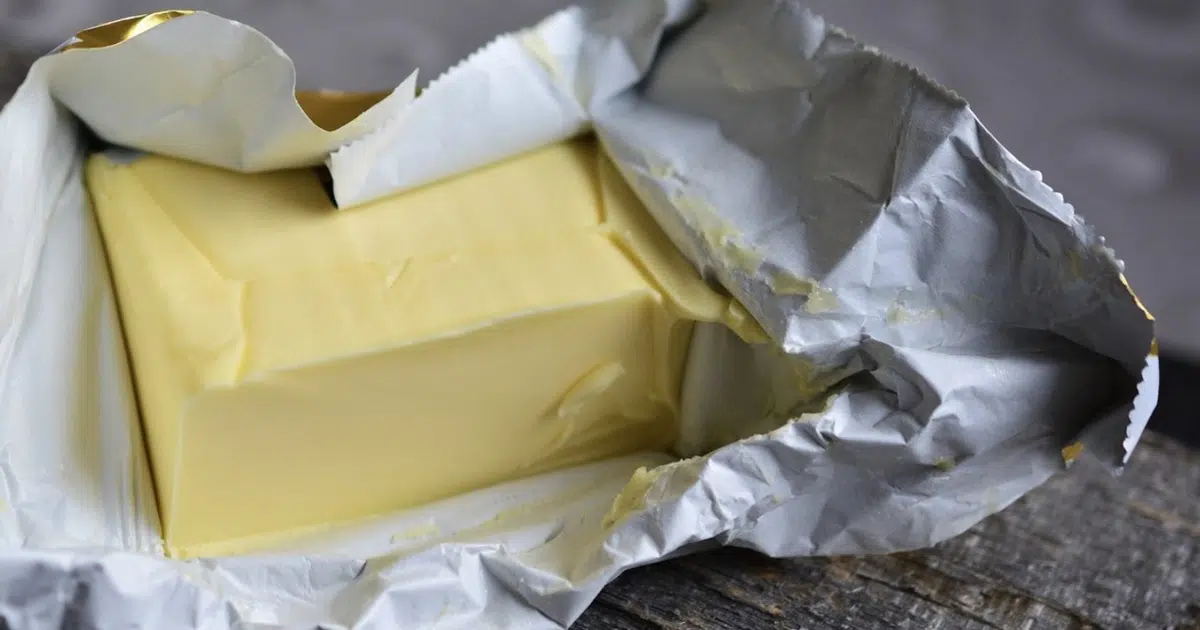
The number of times I’ve opened my fridge, stared at a half-eaten stick of butter, and wondered whether it’s simply expired (or have I become a paranoid person); I’m sure I’m not alone.
So here’s the straight answer to that question; yes, butter does expire. However, it generally stays good longer than the average consumer believes. There are several factors that determine how fast butter will spoil. For example, storage methods, whether it is salted or unsalted, the amount of air and light it is exposed to, etc.
As I have learned through my experiences over the years, there are some simple tips to help extend the freshness of your butter. You can do this without having to worry about wasting either money or food.
Yes, Butter Expires
As mentioned earlier, butter does expire, primarily due to milk solids and fats in cream breaking down and turning rancid. The “Best By” date on the packaging is not always an exact expiration date, rather a “Best Quality” date. This date refers to the time period during which the product should be consumed for optimal quality, not necessarily safety.
The most common cause of butter going bad is through rancidity, which occurs when butter is exposed to oxygen and/or heat. Rancid butter is not normally harmful immediately. I would frequently discard butter when the date printed on the package had passed. However, I later found this was often unnecessary. Many times, the butter was still perfectly good.
By understanding the shelf life of butter, you can make wiser choices. You can decide what to do with your butter based upon more than just a calendar.
How Long Does Butter Last?
Like anything else that is perishable, the length of time that butter will last is dependent upon a variety of different things.
When stored at room temperature, butter can stay good for approximately 1-2 days. This depends upon the ambient temperature in your home and whether the butter is kept in a sealed environment. Butter with salt will generally last slightly longer than unsalted butter. This is because salt inhibits bacteria from growing.
In the refrigerator, salted butter can be expected to last anywhere from 3-4 months, and unsalted butter can last anywhere from 1-3 months. The primary reason for the difference in shelf life between salted and unsalted butter is that salt acts as a preservative. Salt retards the growth of bacteria. This in turn increases the shelf life of butter in both the refrigerator and at room temperature.
When butter is frozen, the shelf life is greatly extended. Frozen butter can remain in good condition for 6-12 months when properly wrapped. I have taken advantage of sales of butter, purchased it in bulk. Then I froze excess quantities to save money and reduce the chance of my butter spoiling.
Light, air, and varying temperatures can all contribute to spoilage. The less exposure butter has to these elements, the longer it will last.
Is Your Butter Bad?
Your senses are your best tool when determining whether butter has turned bad.
First, smell. Fresh butter will generally have a mild creamy odor. If it smells sour, pungent, or slightly like aged cheese, it is probably rancid. Personally, I don’t take any chances with butter that even has a slightly “off” odor.
Next, examine the color of the butter. Butter that has been exposed to the air may develop dark yellowish-brown edges. This is generally a result of oxidation, and you can often trim the edges off. However, if you observe mold spots (green, gray, or black) on the butter, you should discard the entire stick. While mold is extremely rare, it can happen.
Lastly, taste. A small test taste will quickly inform you of whether the butter has turned rancid. Spoiled butter will generally taste bitter or sour. Believe me, you’ll know.
A sticky or slimy texture on butter is also unusual. If you’re still unsure, it’s better to err on the side of caution and dispose of the butter.
Factors That Will Cause Butter to Spoil Faster
There are several ways that butter can spoil more rapidly:

Exposure to high temperatures, particularly above room temperature
Exposure to direct sunlight, especially near a window
High amounts of air getting into the butter through improper wrapping
Cross-contamination through the use of a dirty knife
Oxidation is the greatest contributing factor to rancid butter. Once air gets into butter, the fats begin to degrade. I learned through trial and error that allowing butter to sit at room temperature uncovered for days guarantees premature spoilage.
Storing Butter to Extend Shelf Life
Learning proper storage techniques for butter helped me achieve a great deal of success in extending the shelf life of my butter. I continue to store butter in its original packaging and keep it within an airtight container in the refrigerator. The additional layer of protection prevents the butter from picking up odors and reduces the amount of air that it is exposed to.
I keep the butter I use daily in a butter dish with a cover and positioned away from heat-producing appliances such as stoves and I freeze butter to maximize the shelf life. I wrap butter securely and store it in a freezer bag. After I want to use it, I allow it to thaw overnight in the refrigerator. Through the process of trial and error, I learned that unwrapped butter left in the freezer can absorb freezer odors. Wrapping butter properly is essential.
Which Lasts Longer: Salted or Unsalted Butter?
Generally, salted butter will last longer than unsalted butter. Salt acts as a preservative and inhibits the growth of bacteria. As a result, salted butter will generally last longer in both the refrigerator and at room temperature.
While unsalted butter is preferred by bakers due to its neutral flavor, it will spoil faster than salted butter. If you plan to store butter long term, salted butter is generally the safer choice. I continue to store unsalted butter in the refrigerator at all times. I freeze it until I plan to use it.
Do You Need to Toss It Out?
So, does butter expire? Yes; it just doesn’t necessarily happen instantly. Butter is generally safe to eat past its printed date as long as it has been stored correctly. Rather than panicking, I now check the smell, appearance, and storage conditions before making a decision.
If you detect sour odors, mold, or a sour taste, it’s time to get rid of the butter. Other than that, you can generally trust your senses. Since learning to check for these signs, I’ve wasted fewer dollars and less food. I feel a bit less dramatic each time I open the fridge.